
The Hydrogen Summit & Expo brought a big group of energy experts to the Tampere Sports & Expo to start the year. Gasgrid also actively engaged in the conversation on topics such as the evolution of the Hydrogen Economy and international co-operation to make it happen. We asked Summit visitors what is so appealing about hydrogen, and in which direction the European hydrogen market is heading next.
The questions for interviewees:
- Where do you see the greatest added value of hydrogen coming from in the future?
- From the perspective of your organization, how important is the construction of a hydrogen pipeline in your country and connecting to a hydrogen network around Europe?
- What expectations do you have regarding the development of hydrogen infrastructure and markets in the near future?
- What insights and perspectives did you gain from the Expo?
Siim Iimre, gas and electricity transmission system operator Elering, Estonia
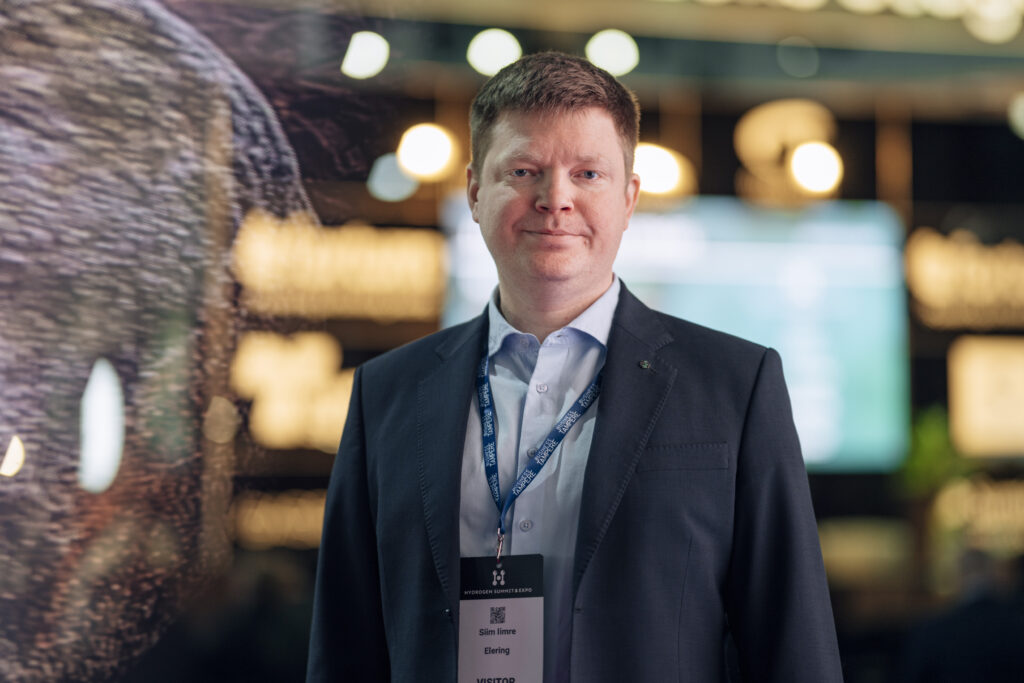
- There has been a lot of talk about energy resilience at this seminar, and hydrogen is, indeed, strongly related to it, because it delivers flexibility to the energy sector. I think it is very important to bring this issue into the spotlight. Local production is absolutely essential for the energy of the future, and hydrogen plays a key role in this.
- As the national gas TSO, Elering is planning its own hydrogen pipeline in Estonia and is having discussions with landowners and other stakeholders. This is a national project, but, at the same time, also part of the construction of the European hydrogen system. From our perspective, this is a very special, time-consuming process, in which we are placing great emphasis.
- At Elering, we expect to start the hydrogen network permit process this year. It is a big milestone for us. We also expect that more wind and solar power will be available in Estonia in support of hydrogen production.
- It’s great to be here in Tampere and to see what a great range of companies and other organizations are interested in hydrogen. Now I am even more convinced that the Hydrogen Economy has a lot to offer that will benefit us in the future.
Turo Laine, South-Eastern Finland University of Applied Sciences Xamk, Kotka

- If we think from Gasgrid’s perspective, then we see that supplying hydrogen safely and reliably, especially to large, industrial players, is certainly the make-or-break issue. When this is made to work, it will provide a powerful incentive for investments.
- I run Xamk’s hydrogen research platform in Kotka, so I am very interested in the research that is being conducted involving hydrogen. Basically, it is very important – also from a research perspective – to have a strong vision for building a hydrogen infrastructure and utilizing hydrogen.
- Over the next five years, we will hopefully see concise steps forward on the hydrogen front. Progress is partly made possible by the fact that there is quite a lot of funding available for hydrogen projects, including through the EU.
- There were interesting discussions at the Summit & Expo. I noticed that there is a real need for the right kind of expertise now. There is also a lot of similar hydrogen-related research being done in different places, although it might be prudent to look at research topics a little more broadly. Collaboration could help determine who will study what.
Dovilė Binkevičienė, gas transmission system operator Amber Grid, Lithuania
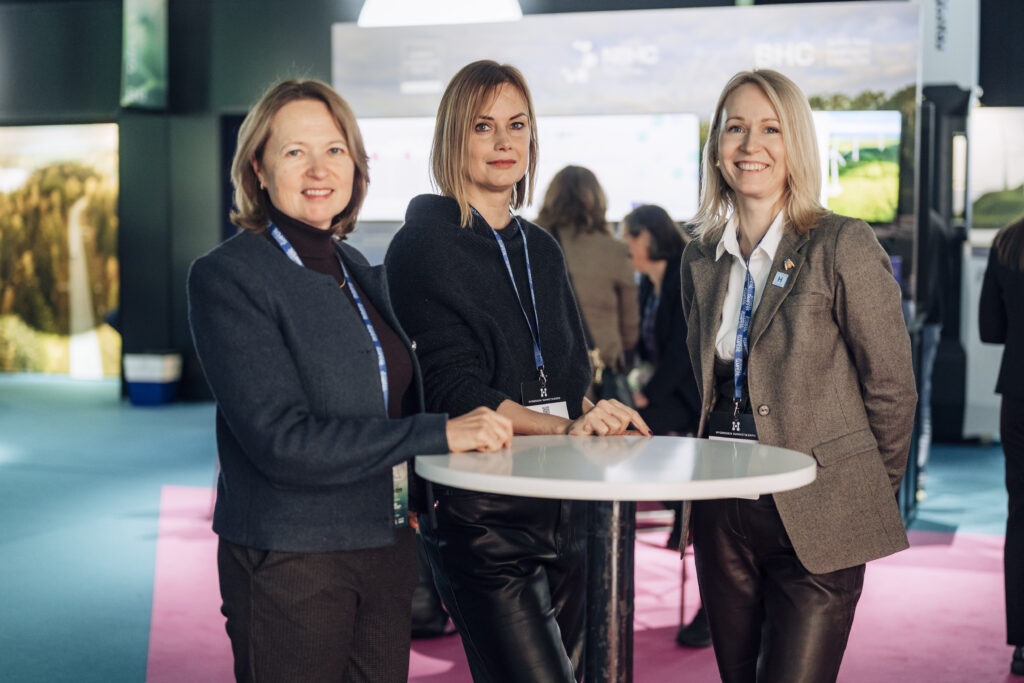
- Hydrogen’s greatest contribution will be as a targeted solution that complements electrification, enhances energy security, and accelerates Europe’s transition to a decarbonized economy.
- We are committed to building the cross-border hydrogen infrastructure —the Nordic-Baltic Hydrogen Corridor — with our partners. We want to unlock regional clean hydrogen production, enabling efficient transmission from production sites to demand centers, supporting energy decarbonization and export potential, and strengthening energy security. The pipeline is crucial for developing a competitive hydrogen market, stimulating investment, and contributing to EU renewable energy and energy independence goals.
- In the near future, we expect hydrogen infrastructure and markets to develop step by step rather than overnight. For the NBHC project, the upcoming few years will be about conducting in-depth feasibility studies that examine the technical, economic, regulatory, and environmental aspects of building a large-scale hydrogen pipeline.
- This is my first time at the Tampere Hydrogen Summit & Expo. The summit highlighted that the hydrogen sector in Northern Europe is progressing from ideas to concrete collaboration and project development. The event brought together key players across the hydrogen value chain — from producers and technology developers to investors and policymakers — reinforcing the notion that hydrogen is increasingly seen as a central element of the green energy transition.
Text: Sami Anteroinen Pictures: Eino Ansio